Home Solutions About us Nautical & Nature Institutions Italiano عربي Contact
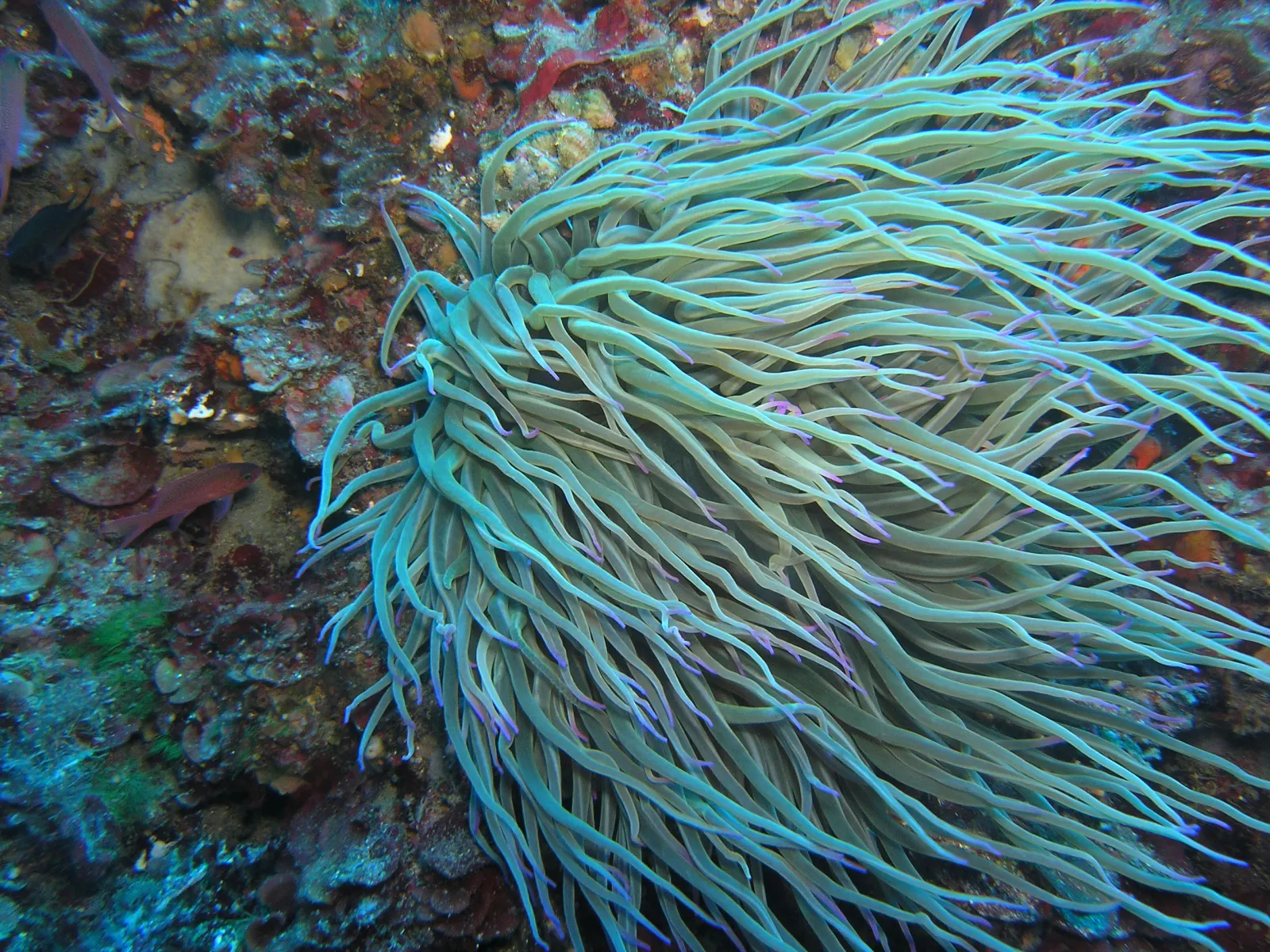
Sea anemone with green-blue tentacles on a rocky Mediterranean seabed
The green project · Marine Oases

Nautical and Nature together
for the creation of marine oases
and the preservation of their habitat.

The first yachting project at the service of nature.
The problem

Every anchor that falls
leaves a scar.

The mechanical action of anchors and chains from leisure boats is one of the most significant human pressures on coastal habitats: in the busiest areas it leads to ecological deterioration and habitat loss.

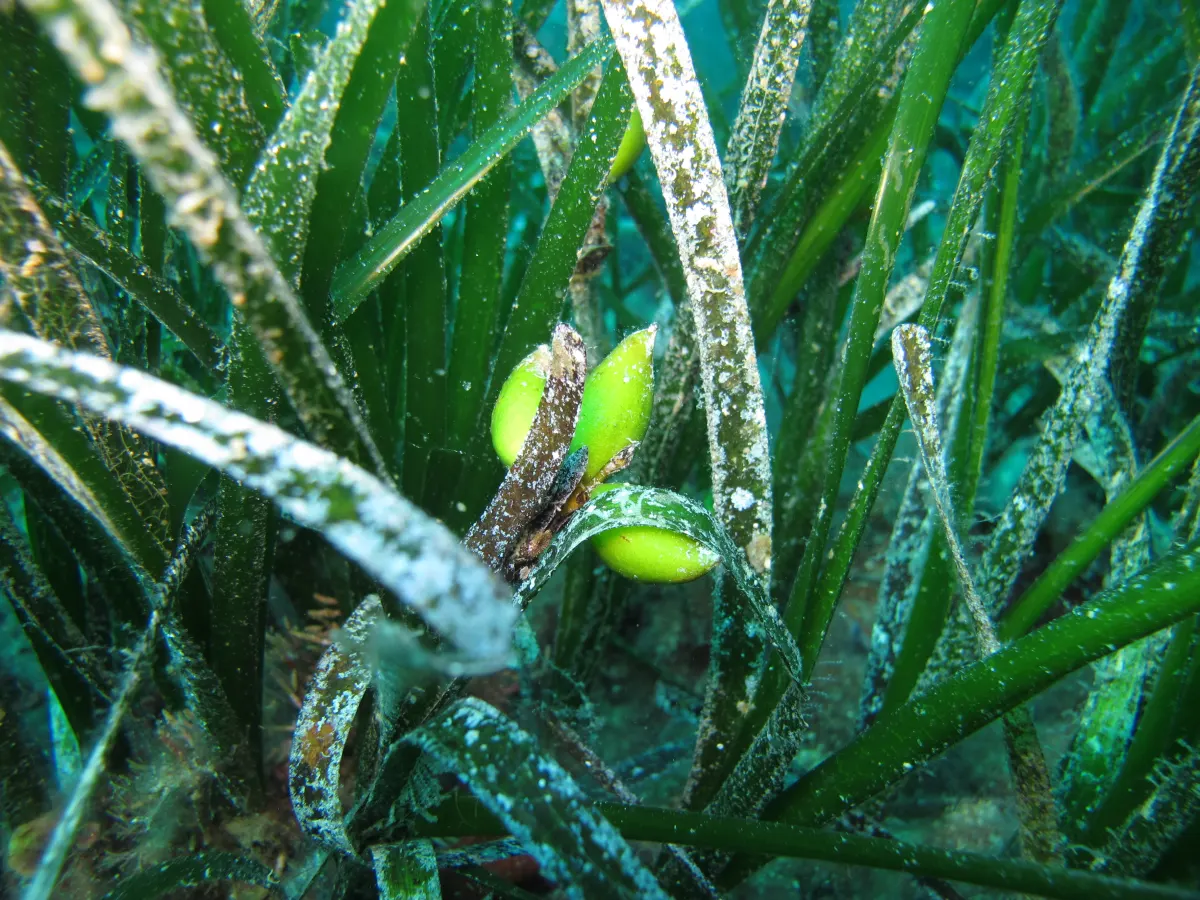
In the Mediterranean, Posidonia oceanica meadows and Cystoseira forests are among the habitats most threatened by anchoring: they support biodiversity and food webs, which is why they are protected by the EU Habitats Directive and the Barcelona Convention. Yet all too often, protection exists only on paper.

Posidonia oceanica meadow with green fruits among the leaves, underwater photograph

The solution

From dead weights to living reefs.

Traditional moorings rest on concrete “dead weights”. The project works on two fronts: remediating what already exists and developing new bases conceived as living substrates — naturalised surfaces planted with structuring marine organisms, from Posidonia rhizomes to young Cystoseira thalli grown from fertile apices — that attract benthic species and trigger recolonisation. Every mooring becomes an oasis.

01 Remediate the existing

Recover the concrete dead weights already lying on the seabed and remediate mooring areas: a clean-up that reduces the impact accumulated over the years and gives space back to life, for more sustainable, sea-respecting yachting.

02 Design the new

Inspired by natural environments, develop innovative bases — in shape, porosity, cavities and protrusions — designed to maximise colonisation.

03 Monitor over time

Multi-year monitoring protocols aligned with European frameworks, to assess the effectiveness of interventions and replicate them across the Mediterranean.

How we work

Science at sea, not on paper.

Ecological surveyInitial assessment of each area and of the biocoenoses present, site by site
Non-destructive collectionNaturally detached Posidonia rhizomes and seeds; fertile Cystoseira apices grown in mesocosms
PlantingReplanting techniques tested on mooring substrates, site- and species-specific
Post-planting monitoringPeriodic campaigns on the ecological status of the habitats involved
Seabed clean-upsActions in mooring areas, also involving volunteers
AwarenessEnvironmental education for boaters during peak season
50Living reefs installed
12Months of activity
24Months of monitoring
3Marine scientists

Together

Every stretch of coast can
become a Marine Oasis.

The project has no borders: it is designed to be replicated wherever there is a mooring field and the will to protect the sea. Anyone can help make Marine Oases possible.

Marine parks & MPAsHabitat protection and governance
Marinas & mooring fieldsMoorings that become oases
Research & universitiesScience, planting and monitoring
Boaters & associationsVirtuous behaviour and volunteering

The scientific network

Who has joined the project.

Research institutions, universities, marine protected areas and marine science organisations that have joined the Nautical and Nature project.

CNR
IMC Foundation
Costa Edutainment
Genoa Aquarium
La Maddalena Archipelago National Park
University of Genoa
University of Trieste
University of Sassari
Become a project partner →

A source of life
that draws more life to itself.

Together, we will make this happen.

The project network

Endorsed by the Italian National
Observatory for Sea Protection.

An initiative dedicated to every anchoring structure laid on the seabed, developed in dialogue with marine park authorities, research institutes, universities and marine science organisations.

Let's talk about the project

Underwater photography: Ivan Guala · Badalamenti